Back to School, Looking Good: A Practical Look at This Versatile SVG Cutting File
Each year, as summer winds down and classrooms prepare to welcome students again, there is a consistent demand for fresh, polished back-to-school projects. Whether you are a teacher organizing classroom materials, a parent helping a child personalize supplies, or a small business owner creating seasonal products, having reliable design assets matters. Back to School, Looking Good is one such asset—a digital cutting file that delivers clean, usable graphics for a wide range of projects. This article offers a detailed, experience-based evaluation of what this file provides, how it performs in real use, and who stands to benefit most from adding it to their library.
What This Digital Cutting File Offers
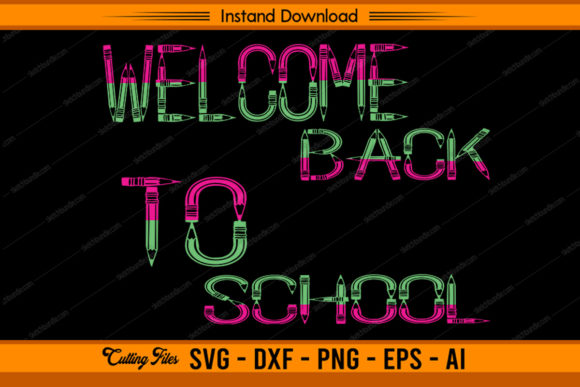
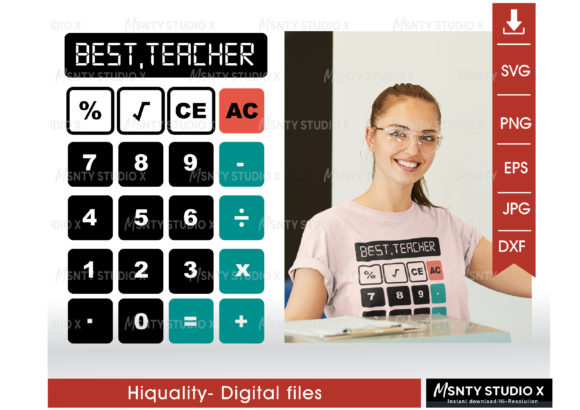
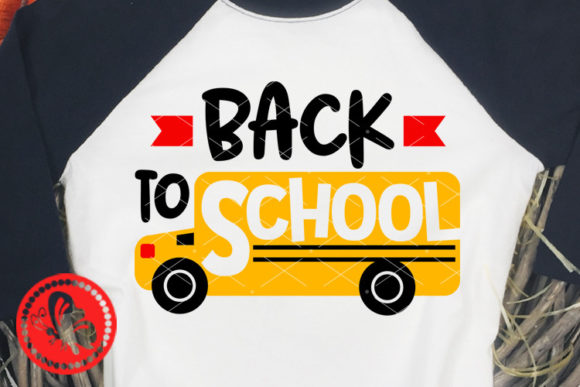
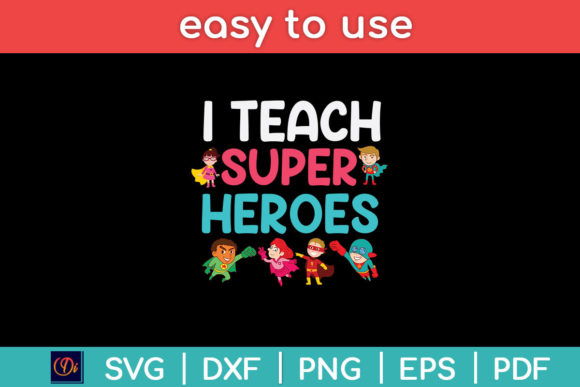
At its core, Back to School, Looking Good is an SVG vector cutting file designed for use with popular electronic cutting machines. The file is delivered as an instant digital download and includes multiple formats: SVG, PNG, EPS, and DXF. This format flexibility means you are not locked into a single software or machine ecosystem. Whether you run a Cricut Explore, Silhouette Cameo, Brother Scan N Cut, Sizzix eClips, or any machine that supports standard vector formats, this file is ready to load and cut.
The design itself centers on a back-to-school theme with an emphasis on style and confidence—the "looking good" aspect suggests a polished, contemporary aesthetic rather than a purely functional or juvenile look. This makes it suitable for projects aimed at students of various ages, from elementary through high school, and even for teacher- or parent-oriented items where a clean, attractive design is preferred over cartoonish imagery.
Format Breakdown and Compatibility
Included with the download is a ZIP file containing four file types:
- SVG – Scalable vector format, ideal for editing in vector software and for use with most cutting machines directly.
- PNG – A raster image with a transparent background, useful for previews, mockups, or print-and-cut workflows.
- EPS – Encapsulated PostScript, widely supported in professional design applications like Adobe Illustrator and CorelDRAW.
- DXF – Drawing Exchange Format, commonly used in CAD-like workflows and supported by many cutting machine software platforms.
This breadth of formats is a genuine strength. It means the same design can move from a precise cut on vinyl to a layered iron-on transfer to a digital print without needing to recreate the geometry. For someone managing multiple project types or selling finished goods, this saves time and reduces friction.
Key Characteristics and Practical Strengths
The design of Back to School, Looking Good reflects a few deliberate choices that become apparent during use. First, the vector paths are clean and well-constructed. Nodes are placed efficiently without unnecessary complexity, which helps cutting machines process the design quickly and accurately. Thin or intricate details are kept to a reasonable minimum, reducing the risk of tearing or shifting during cutting, especially on materials like adhesive vinyl or heat transfer film.
Second, the composition is balanced. The text and any accompanying graphic elements are proportioned so that the design reads clearly at multiple sizes. This is a practical advantage when you need to produce both small locker decorations and larger wall decals or tote bag designs from the same file. Scaling the SVG up or down does not introduce distortion or loss of quality, which is expected from vector files but not always delivered as reliably as it is here.
Third, the aesthetic strikes a useful middle ground. It is trendy enough to feel current but not so trend-specific that it will look dated after one season. This matters for anyone who wants to produce items they can sell or use for more than a single school year. The "looking good" angle also makes the design appropriate for projects focused on confidence and back-to-school excitement, rather than just generic school supplies.
File Quality and Reliability in Real Use
When evaluating any cutting file, the critical test is how it behaves on the mat. I tested the SVG file with a Cricut Explore 3 and a Silhouette Cameo 4, using standard adhesive vinyl and cardstock. In both cases, the design imported cleanly into Cricut Design Space and Silhouette Studio Basic Edition. No broken paths or missing elements appeared during import. The layers were logically grouped, making it straightforward to separate colors if a multi-layer cut was desired.
Cutting accuracy was consistent across multiple test runs. The fine details, such as thinner strokes in the lettering, cut cleanly without fraying or lifting. On cardstock, the design required a standard pressure setting and produced crisp edges. On vinyl, weeding was straightforward; there were no overly small internal cutouts that would frustratingly lift along with the negative space. This level of reliability reduces material waste and frustration, which is especially important if you are producing items in volume or on a deadline.
The PNG file included in the download renders at a resolution suitable for digital previews or small-format print projects. It is not intended for large-scale print production, but its inclusion makes it easy to visualize the design on a mockup or to use in a print-and-cut workflow without opening vector software.
Who Benefits Most From This File
Given its design, format support, and practical performance, Back to School, Looking Good serves a broad but specific audience. The following groups are likely to find it particularly useful:
Small Business Owners and Creators
If you sell custom apparel, accessories, or classroom decor, having a versatile back-to-school design expands your product lineup quickly. The file works well for t-shirts, tote bags, pencil cases, water bottles, and even bulletin board headers. Because the design is clean and adaptable, it can be marketed to both parents and students. The multiple formats also mean you can offer variations across different product types without redesigning from scratch.
Teachers and Educators
For teachers preparing their classrooms, this file provides a polished way to create door decals, name tags, subject labels, or welcome signs. The aesthetic avoids looking childish, so it can work in middle school and high school settings as easily as in elementary classrooms. The DXF and SVG formats are compatible with most school makerspaces and library cutting machines, making it easy to produce materials during planning periods or after school.
Serious Hobbyists and DIY Enthusiasts
If you enjoy crafting for family and friends, this file gives you a ready-to-use design that does not require hours of tweaking. It is particularly handy if you want to create matching sets of items—matching shirts for siblings, coordinating water bottles and notebooks, or a complete desk accessory set. The file's reliability means you can focus on the assembly and personalization rather than troubleshooting cut errors.
Freelancers and Bloggers
For content creators who share tutorials, project ideas, or free files, having a commercial-friendly design asset (check the included license terms) can save production time. The file can be used to demonstrate techniques, create video content, or provide project templates to an audience. Its clean vector geometry also makes it easy to modify colors or add personalization within software like Inkscape or Adobe Illustrator.
Practical Recommendations and Considerations
To get the most out of this file, consider your material choice and project scale. For heat transfer projects, a medium-pressure setting with a standard weeding tool works well. If you are using glitter vinyl or textured cardstock, a slight increase in cut pressure or a multi-pass setting may be beneficial, especially around any tighter curves in the lettering. The file does not require a specific orientation, but rotating or mirroring it for heat transfer applications is straightforward in most cutting software.
One limitation worth noting: the design is offered as a single-file composition rather than a fully separated multi-layer project. While the SVG includes grouped elements, you will need to manually adjust colors or separate layers within your cutting software if you want a multi-color cut. This is standard for most SVG cutting files and should not be a problem for users familiar with their software's contouring or layering tools. Beginners may need to watch a brief tutorial on color separation or offset layering, but the process is not difficult.
Another point is that the design is not heavily customized out of the box. It does not include editable text fields or name placeholders. You cannot simply type a name into the file and cut it; you will need to add personalization yourself using your software's text tool. This is typical for cutting files of this type, and it gives you complete control over the final look, but it is worth knowing if you expected a fully editable template.
Long-Term Value and Versatility
One of this file's strongest attributes is its longevity. Because the design avoids overly specific references to a single year, pop culture moment, or school mascot, you can reuse it for multiple seasons. A small business owner might produce a new batch of iron-on transfers each August without worrying that the design feels stale. A teacher can remake classroom signs year after year. The file stays relevant because its focus is on the general spirit of starting school with confidence, not on a temporary trend.
Additionally, the file's format variety means it will likely remain usable even as cutting machine software updates occur. SVG and DXF are open standards with broad support, reducing the risk of obsolescence. If you switch from one machine brand to another in the future, you will not need to repurchase your design library.
Final Assessment of Fit
Back to School, Looking Good is a practical, well-built cutting file that delivers on its promise. It is not a flashy all-in-one solution, but it does what a good cutting file should do: it imports cleanly, cuts accurately, and adapts to a variety of project types. Its real value lies in its reliability and aesthetic neutrality—it works for many users, on many machines, for many purposes.
If you are looking for a seasonal design that balances style with functionality, and you value a file that behaves predictably on the cutting mat, this is a strong choice. It is especially well-suited to small business owners and educators who need a dependable asset they can reuse and adapt. Just be prepared to handle basic layer separation and personalization within your own software tools. For anyone who spends time creating back-to-school projects with cutting machines, having this file in your library is a sensible investment in efficiency and consistency.